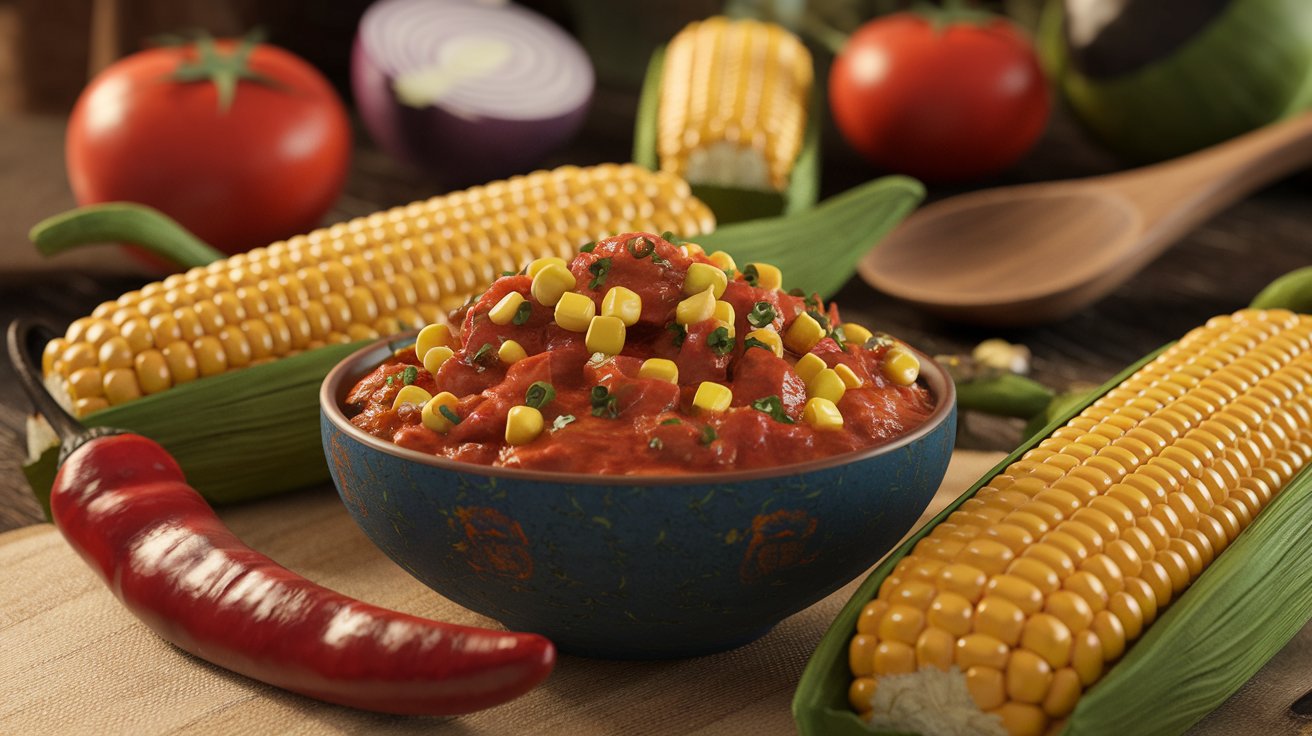
This roasted chili corn salsa combines charred corn kernels, smoky poblano peppers, and fresh cilantro to create a versatile condiment that rivals any restaurant version. With simple ingredients and straightforward techniques, you can prepare this flavorful salsa in just 30 minutes. Whether you’re looking to recreate the popular Chipotle version or develop your own signature recipe, this guide provides everything you need for perfect homemade corn salsa every time.
What Makes Roasted Chili Corn Salsa Special
The distinctive character of roasted chili corn salsa comes from the combination of charred vegetables and fresh ingredients that create layers of flavor. Unlike traditional tomato-based salsas, this corn-forward version offers a smoky sweetness balanced by the mild heat of poblano peppers and the brightness of lime juice. The roasting process caramelizes the natural sugars in the corn while the poblano chile develops a deep, complex flavor that you simply cannot achieve with raw ingredients.
In 2026, home cooks across the United States are increasingly drawn to this salsa because it offers restaurant-quality taste without specialized equipment. The texture provides a satisfying crunch from the corn kernels while the roasted chili adds body and depth. This salsa works exceptionally well as both a topping and a standalone dip, making it one of the most versatile condiments you can keep in your refrigerator for quick meals and entertaining.
Essential Ingredients for Authentic Flavor
Creating exceptional roasted chili corn salsa starts with selecting quality ingredients that work together harmoniously. The foundation consists of fresh or frozen corn kernels, poblano peppers, red onion, cilantro, lime juice, and basic seasonings. Each component plays a critical role in developing the balanced flavor profile that makes this salsa so appealing to American palates.
The poblano pepper serves as the star ingredient, providing mild heat ranging from 1,000 to 2,000 Scoville units, which is considerably milder than jalapeños. Fresh corn offers the best sweetness and texture, though frozen corn works beautifully when roasted properly. Red onion adds a sharp, crisp element that mellows slightly when mixed with lime juice, while fresh cilantro brings herbaceous brightness. Quality sea salt and cumin round out the seasoning, with the cumin adding an earthy warmth that complements the roasted vegetables perfectly.
How to Roast Poblano Peppers Perfectly
Properly roasting poblano peppers is the cornerstone technique for achieving authentic roasted chili corn salsa. The roasting process transforms the pepper’s raw, grassy flavor into something smoky and complex. You have several methods available, each producing excellent results when executed correctly with attention to timing and temperature.
Stovetop Gas Flame Method
For the most traditional smoky flavor, place poblano peppers directly over a gas burner flame set to medium-high heat. Using tongs, rotate the pepper every 2-3 minutes until the skin is evenly blackened and blistered on all sides. This method typically takes 8-10 minutes total and produces the most pronounced charred taste that enthusiasts prefer. The direct flame creates small pockets of intense heat that caramelize the pepper’s natural sugars while simultaneously loosening the skin for easy removal.
Oven Broiler Technique
The broiler method offers consistent results and allows you to roast multiple poblanos simultaneously, making it ideal for larger batches of salsa. Place peppers on a baking sheet positioned 4-6 inches from the broiler element and cook for 5-7 minutes per side until the skin blackens and blisters completely. This technique works perfectly in any kitchen, regardless of whether you have gas or electric cooking equipment, and provides more control over the roasting process than open flame methods.
Peeling and Preparing Roasted Peppers
After roasting, immediately transfer the hot poblano peppers to a bowl and cover tightly with plastic wrap or place them in a sealed plastic bag for 10-15 minutes. This steaming process loosens the charred skin, making removal effortless. Once cooled enough to handle, the blackened skin should slide off easily under running water or with a paper towel. Remove the stem and seeds, then dice the roasted poblano into small pieces approximately the same size as your corn kernels for consistent texture throughout the salsa.
Step-by-Step Corn Roasting Instructions
The corn component of your roasted chili corn salsa requires its own careful preparation to develop the sweet, caramelized notes that make this recipe outstanding. Whether using fresh corn cut from the cob or frozen kernels, the roasting process concentrates the natural sugars and adds visual appeal through golden-brown char marks. In a large cast-iron skillet or heavy-bottomed pan, heat one tablespoon of neutral oil over high heat until it shimmers but does not smoke.
Add 3 cups of corn kernels in a single layer, spreading them evenly across the pan surface. Resist the urge to stir immediately; allowing the corn to sit undisturbed for 3-4 minutes creates the desirable charred spots that add both flavor and visual interest. After the initial sear, stir the corn and continue cooking for another 4-5 minutes, stirring occasionally, until approximately 30% of the kernels show golden-brown caramelization. Transfer the roasted corn to a large mixing bowl and allow it to cool completely before combining with other ingredients, which prevents the heat from wilting the cilantro or cooking the onions.
Combining Ingredients for Maximum Flavor
Once your roasted corn and poblano peppers have cooled to room temperature, the assembly process becomes straightforward but requires attention to proportions for balanced flavor. In your mixing bowl with the cooled corn, add the diced roasted poblano, one-half cup of finely diced red onion, one-half cup of chopped fresh cilantro, the juice of two limes, one teaspoon of ground cumin, and salt to taste. The ingredient ratios create a salsa where no single element overwhelms the others, allowing each component to contribute to the overall taste profile.
Gently fold all ingredients together using a large spoon or spatula, ensuring even distribution of the seasonings and lime juice throughout the mixture. At this stage, taste and adjust seasoning as needed, keeping in mind that flavors will meld and intensify as the salsa rests. For optimal flavor development, refrigerate the completed salsa for at least 30 minutes before serving, which allows the lime juice to slightly pickle the onions while the cumin infuses throughout. This resting period transforms the individual components into a cohesive, restaurant-quality roasted chili corn salsa that improves even further over the first 24 hours of refrigeration.
Customizing Your Salsa’s Heat Level
The beauty of homemade roasted chili corn salsa lies in your ability to precisely control the spiciness to match your preference or accommodate different tolerance levels among family and guests. The base recipe with poblano peppers delivers a mild heat that most Americans find very approachable, typically rating 2 out of 10 on personal spice scales. However, you can easily increase the heat intensity through several strategic additions without compromising the salsa’s fundamental flavor balance.
To create a medium-spicy version, add one finely diced jalapeño pepper with seeds included, which will elevate the heat to approximately 4-5 out of 10. For significantly more kick, incorporate one diced serrano pepper or add a quarter teaspoon of cayenne pepper to the mixture. The spiciest version includes both a serrano pepper and a small amount of diced habanero, though this intensity level suits only those who genuinely enjoy very hot foods. Remember that you can always add heat incrementally, tasting between additions, but you cannot reduce spiciness once added. For gatherings, consider preparing a mild batch and offering hot sauce on the side so each person can customize their own serving.
Serving Temperature and Presentation Tips
The question of whether to serve roasted chili corn salsa warm or cold depends largely on context and personal preference, as both temperatures offer distinct advantages. Most restaurants, including Chipotle, serve their corn salsa chilled or at room temperature, which has become the expected standard across the United States. Cold salsa provides a refreshing contrast when paired with warm foods like tacos, burritos, or grilled meats, and the cooler temperature allows the fresh cilantro and lime flavors to shine brightly.
That said, slightly warm roasted corn salsa offers its own appeal, particularly during cooler months or when served alongside hot dishes where temperature consistency feels more harmonious. If you prefer warm salsa, prepare it fresh and serve within 30 minutes of cooking while still maintaining food safety standards. For the best overall experience, most culinary experts recommend the middle ground: remove the salsa from refrigeration 15-20 minutes before serving to take the chill off, which allows the flavors to bloom more fully while still providing that refreshing quality. Present your homemade salsa in a shallow bowl or decorative dish, garnished with a few whole cilantro leaves and a lime wedge for an attractive, restaurant-worthy appearance.
Comparing Homemade to Chipotle’s Version
Many people wonder how homemade roasted chili corn salsa compares to the popular Chipotle restaurant version that has developed a devoted following across the United States. While the commercial version certainly has its merits, including consistency and convenience, your homemade salsa offers several distinct advantages that make the preparation effort worthwhile. Chipotle’s salsa contains corn, poblano peppers, red onion, jalapeño, cilantro, and a citrus blend, maintaining a relatively simple ingredient list that you can easily replicate or improve upon in your own kitchen.
The primary difference lies in freshness and customization potential. Your home-prepared version features corn roasted minutes before serving rather than hours or days prior, resulting in superior texture and more pronounced charred flavor. You also control the pepper selection, allowing you to make the salsa milder or spicier according to preference rather than accepting a predetermined heat level. Additionally, homemade versions typically cost 60-70% less per serving than restaurant portions when you calculate ingredient expenses. In 2026, with the average Chipotle side of corn salsa costing approximately $2.75 for four ounces, making your own batch at home produces approximately 24 ounces for under $6.00 in ingredients.
Best Poblano Pepper Substitutions
While poblano peppers deliver the ideal flavor profile for authentic roasted chili corn salsa, they are not always available in every grocery store, particularly in areas with limited produce selection. Fortunately, several effective substitutions can maintain the salsa’s character while offering their own interesting variations. Understanding the heat levels and flavor profiles of different peppers helps you make informed substitutions that preserve the dish’s essential qualities.
The closest substitute is Anaheim peppers, which offer similar mildness with Scoville ratings between 500-2,500 units and a comparable slightly sweet, earthy flavor when roasted. Bell peppers, particularly red or yellow varieties, work well if you want to eliminate heat entirely while still providing the roasted vegetable component, though you should add a pinch of cayenne to approximate the original complexity. For those who prefer more heat, jalapeños make an excellent substitution, though you should use half the quantity specified for poblanos since they pack significantly more punch. In a pinch, canned green chiles can substitute for fresh roasted poblanos, particularly the fire-roasted varieties that provide some of the desired smoky character, though the texture will be slightly softer and the flavor less pronounced than fresh-roasted peppers.
Perfect Pairings: What to Serve with Roasted Chili Corn Salsa
The versatility of roasted chili corn salsa makes it an exceptional accompaniment to dozens of dishes popular in American cuisine. Beyond the obvious pairing with tortilla chips as a simple appetizer, this salsa elevates numerous main courses and side dishes throughout breakfast, lunch, and dinner. Understanding which foods pair best with corn salsa helps you maximize its utility in your regular meal rotation.
Mexican and Tex-Mex Applications
The most natural pairings involve Mexican-inspired dishes where the salsa’s flavor profile complements traditional seasonings and preparations. Spoon it generously over tacos filled with grilled chicken, carnitas, or fish for added texture and freshness. It works beautifully inside burritos and burrito bowls, providing moisture and flavor contrast to rice and beans. Use it as a topping for enchiladas, quesadillas, or tostadas to add brightness and crunch. The salsa also enhances nachos significantly, offering a fresher alternative to jarred salsa while providing textural interest alongside melted cheese and other toppings.
Grilled Proteins and Main Dishes
Beyond Mexican cuisine, roasted chili corn salsa complements virtually any grilled protein with its fresh, slightly smoky character. Serve it alongside grilled chicken breasts, pork chops, or steak to add brightness and acidity that cuts through rich, fatty flavors. The salsa pairs exceptionally well with grilled fish, particularly mahi-mahi, salmon, or tilapia, where the corn’s sweetness complements the seafood’s natural flavors. It also works as a unique topping for burgers and hot dogs at summer barbecues, offering a more sophisticated alternative to traditional condiments that will impress guests.
Creative Uses and Non-Traditional Pairings
Think beyond traditional applications to incorporate roasted corn salsa into unexpected dishes that benefit from its complex flavor profile. Mix it into scrambled eggs or use it as a filling for breakfast burritos to start your day with vibrant flavors. Toss it with cooked pasta, olive oil, and crumbled queso fresco for a quick Southwestern pasta salad perfect for potlucks. Use it as a topping for baked potatoes or sweet potatoes, where the corn’s sweetness plays beautifully against the starchy base. You can even fold it into rice during the final minutes of cooking to create a flavorful side dish that needs no additional accompaniments.
Storage Guidelines and Shelf Life
Proper storage techniques ensure your roasted chili corn salsa maintains peak quality and food safety throughout its usable life. Understanding how to store, how long to keep, and how to identify signs of spoilage helps you get the maximum value from your preparation effort while preventing foodborne illness. In 2026, home food safety remains a critical concern, with the CDC reporting that proper refrigeration prevents approximately 90% of preventable food spoilage and contamination issues.
Transfer your completed salsa to an airtight container, preferably glass or food-grade plastic with a secure lid that prevents air exposure and odor absorption from other refrigerator contents. Properly stored in a refrigerator maintained at 40°F or below, homemade roasted chili corn salsa remains fresh for 5-7 days, though optimal flavor and texture are best within the first 3-4 days. The lime juice provides some preservation through its acidity, but since the recipe contains fresh vegetables without additional preservatives, it will not last as long as commercial versions. Watch for signs of spoilage including off odors, visible mold growth, or slimy texture on the vegetables. If you notice any of these indicators, discard the entire batch immediately. For longer storage, you can freeze the salsa in portion-sized containers for up to three months, though the texture of the corn and peppers will soften somewhat upon thawing.
Nutritional Benefits and Health Information
Beyond its exceptional taste, roasted chili corn salsa offers significant nutritional advantages that align with health-conscious eating trends in the United States. A typical half-cup serving contains approximately 70-80 calories, making it a low-calorie condiment that adds substantial flavor without derailing dietary goals. The corn provides complex carbohydrates, dietary fiber, and important B vitamins, particularly thiamin and folate, which support energy metabolism and cellular function.
The poblano peppers contribute vitamin C, vitamin A, and capsaicin, a compound associated with metabolism enhancement and anti-inflammatory properties. Fresh cilantro adds antioxidants and trace minerals, while lime juice provides additional vitamin C and helps your body absorb iron from other foods consumed in the same meal. The recipe contains no added sugars and minimal fat, with the small amount of oil used for roasting being the only source. For individuals monitoring sodium intake, you control the salt content completely, unlike commercial salsas that often contain 200-300mg of sodium per serving. This makes homemade roasted corn salsa an excellent choice for those following heart-healthy, diabetic-friendly, or general wellness-oriented eating patterns that emphasize whole foods and vegetables.
Related video about roasted chili corn salsa
This video complements the article information with a practical visual demonstration.
Most asked questions about roasted chili corn salsa
What’s in roasted chili corn salsa at Chipotle?
Chipotle’s roasted chili corn salsa contains roasted corn, roasted poblano peppers, jalapeños, red onion, cilantro, lime juice, and citrus juices. The combination creates a mildly spicy salsa with approximately 80 calories per four-ounce serving. The restaurant roasts the corn and poblanos to develop smoky, caramelized flavors before mixing with fresh ingredients. While the exact proportions remain proprietary, home cooks can recreate a very similar version using standard ratios of these readily available ingredients.
What does roasted chili corn salsa taste like?
Roasted chili corn salsa delivers a complex flavor profile combining sweet, smoky, and mildly spicy elements. The roasted corn provides natural sweetness with caramelized, nutty notes, while the poblano peppers contribute earthy, slightly smoky flavors with gentle heat. Fresh lime juice adds bright acidity that balances the sweetness, and cilantro brings herbaceous freshness. The red onion provides sharp, crisp bites throughout. The overall taste is refreshing and balanced, with enough complexity to keep your palate interested without overwhelming heat that dominates other flavors.
Is the corn salsa at Chipotle good for you?
Yes, Chipotle’s roasted chili corn salsa is one of the healthiest options on their menu, containing only 80 calories and 15 grams of carbohydrates per serving with no added fats. It provides dietary fiber, vitamins A and C, and antioxidants from the vegetables. The salsa contains approximately 170mg of sodium, which is moderate compared to other restaurant condiments. It works well for various dietary patterns including vegetarian, vegan, gluten-free, and dairy-free diets. The fresh vegetables provide nutritional benefits without the saturated fats or excessive calories found in options like queso or sour cream.
What dishes pair well with roasted chili corn salsa?
Roasted chili corn salsa pairs exceptionally well with tacos, burritos, burrito bowls, quesadillas, grilled chicken, fish, steak, and pork. It also works beautifully with eggs for breakfast, as a topping for baked potatoes, mixed into rice, or served with tortilla chips as an appetizer. The salsa’s bright, fresh flavors complement rich, fatty foods by providing acidity and textural contrast. It enhances both Mexican-inspired dishes and American grilled foods, making it one of the most versatile condiments for everyday meals and entertaining.
Can I make roasted chili corn salsa ahead of time?
Yes, roasted chili corn salsa actually improves when made 2-4 hours ahead, allowing flavors to meld together as the lime juice slightly pickles the onions and the seasonings distribute evenly. You can prepare it up to 24 hours in advance for optimal flavor and up to 5-7 days for acceptable quality when stored properly in an airtight container in the refrigerator. The texture remains best within the first three days, after which the corn may soften slightly. For meal prep purposes, prepare the roasted components ahead and store separately, then combine with fresh ingredients just before serving for maximum freshness.
How do I prevent my roasted chili corn salsa from being watery?
Prevent watery roasted chili corn salsa by ensuring all roasted vegetables cool completely before mixing, which prevents condensation from forming. Drain any excess liquid from canned corn if using that option, and avoid over-juicing the limes—two limes typically provide sufficient acidity without making the salsa soupy. If your mixture seems too wet after combining, drain off excess liquid before serving. You can also add the salt just before serving rather than during initial mixing, since salt draws moisture from vegetables over time. Using fresh corn rather than frozen also typically results in less excess liquid.
| Key Aspect | Important Details | Benefit |
|---|---|---|
| Roasting Technique | Char poblanos over flame or broiler 8-10 minutes; roast corn in hot skillet 7-9 minutes | Develops smoky, caramelized flavors that define authentic taste |
| Ingredient Ratio | 3 cups corn, 1-2 poblanos, 1/2 cup onion, 1/2 cup cilantro, 2 limes | Creates balanced flavor where no element overwhelms others |
| Heat Level | Mild with poblanos only; customize by adding jalapeños or serranos | Accommodates different spice preferences for all diners |
| Storage Life | 5-7 days refrigerated in airtight container; best within 3-4 days | Allows meal prep and advance preparation for convenience |
| Serving Temp | Chilled or room temperature; remove from fridge 15 minutes before serving | Maximizes flavor expression while providing refreshing contrast |
| Cost Comparison | Homemade costs $6 for 24 oz vs $2.75 for 4 oz restaurant portion | Saves 60-70% compared to purchasing at restaurants |