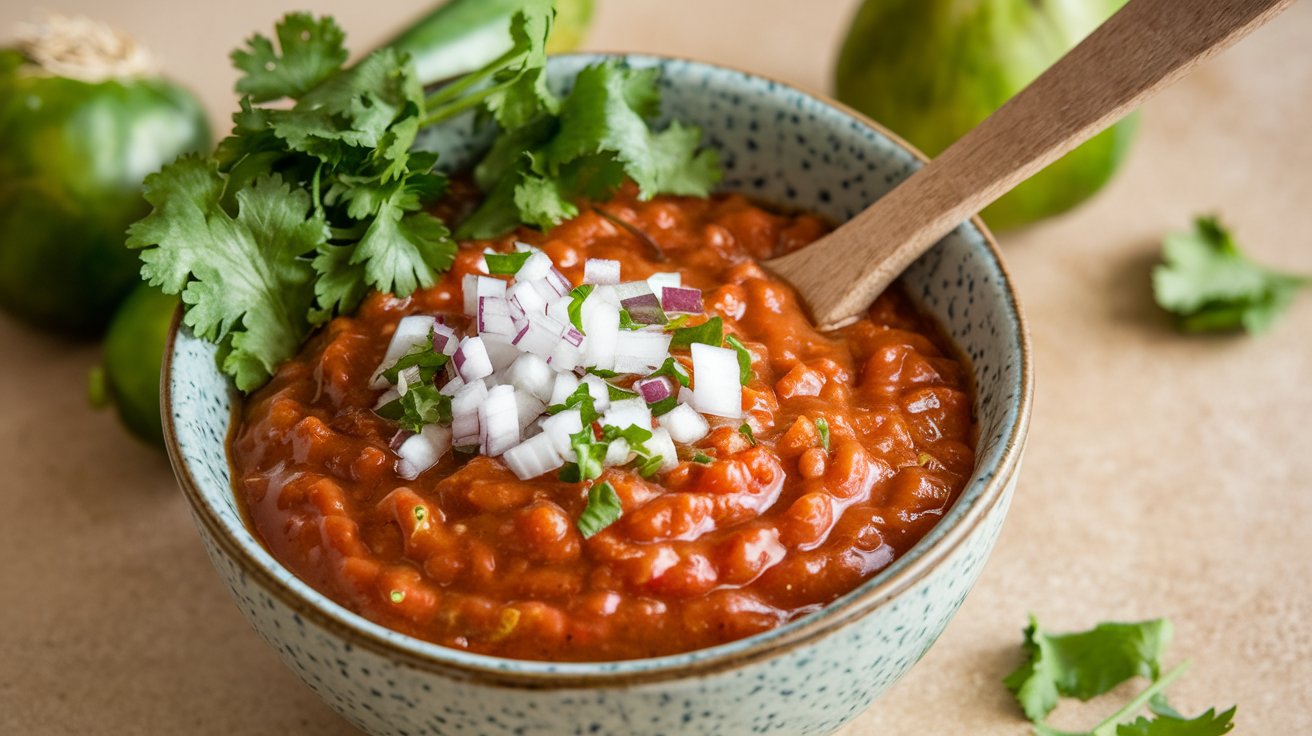
Tomatillo green chili salsa, also known as salsa verde, is a tangy and vibrant Mexican condiment made from roasted tomatillos, green chilies, and fresh herbs. This versatile green salsa offers a bright, slightly tart flavor that complements everything from tacos to grilled meats. Unlike red salsa made from tomatoes, tomatillo salsa delivers a unique citrusy tang with adjustable heat levels, making it a staple in American kitchens throughout 2026.
What Is Tomatillo Green Chili Salsa
Tomatillo green chili salsa is a traditional Mexican sauce centered around tomatillos, which are small green fruits covered in papery husks. Unlike tomatoes, tomatillos provide a distinctive tartness that defines authentic salsa verde. The addition of green chilies, such as jalapeños or serranos, introduces heat while cilantro, onion, and garlic add aromatic depth. In the United States market during 2026, this salsa has become increasingly popular in both homemade and commercial varieties, with brands like Chipotle featuring it prominently on their menus.
The term salsa verde literally translates to green sauce, but not all green salsas are made with tomatillos. Some versions use green tomatoes or tomatillo alternatives. However, authentic tomatillo green chili salsa must contain tomatillos as the primary ingredient, distinguishing it from other green condiments. The salsa’s versatility allows it to function as a dip, cooking sauce, or topping, making it essential for Mexican and Tex-Mex cuisine throughout American households.
Essential Ingredients for Tomatillo Green Chili Salsa
Creating exceptional tomatillo green chili salsa requires understanding each ingredient’s role in the final flavor profile. Fresh tomatillos form the foundation, providing the characteristic tangy base that distinguishes this salsa from tomato-based varieties. In 2026, American grocery stores offer tomatillos year-round, though peak season runs from July through October when they deliver optimal flavor and texture. Select firm tomatillos with tight-fitting husks for the best results in your homemade salsa.
The green chili selection determines your salsa’s heat level and complexity. Jalapeños offer moderate heat with grassy notes, while serranos provide more intense spiciness. Many recipes combine both for layered heat. Fresh cilantro adds herbaceous brightness, white onions contribute sharp bite, and garlic delivers aromatic depth. Lime juice enhances the tomatillo’s natural acidity while salt balances all flavors. Quality ingredients directly impact your salsa’s authenticity and taste, making ingredient selection crucial for restaurant-quality results at home.
Selecting the Right Green Chilies
Your choice of green chilies fundamentally shapes your salsa’s heat profile and flavor complexity. Jalapeño peppers typically measure 2,500 to 8,000 Scoville Heat Units, offering medium heat suitable for most palates. Serrano peppers range from 10,000 to 23,000 SHU, delivering substantially more kick for those seeking spicier tomatillo salsa. In 2026, poblano peppers have gained popularity as a mild alternative, contributing earthy flavor with minimal heat, perfect for families with varying spice tolerances.
For authentic Chipotle-style tomatillo green chili salsa, many home cooks blend jalapeños with a small amount of serrano for balanced heat. Removing seeds and membranes reduces spiciness by 50-70 percent, allowing you to control the final heat level precisely. Roasting or charring the green chilies before blending develops smoky complexity and sweetness, enhancing the overall depth of your salsa verde significantly.
Tomatillo Selection and Preparation
Quality tomatillos are firm to the touch with bright green color beneath their papery husks. Avoid tomatillos with browning, soft spots, or those that feel hollow, as these indicate age and diminished flavor. The sticky residue on tomatillo skins is natural and washes off easily with warm water. For optimal results in your tomatillo green chili salsa recipe, select medium-sized tomatillos approximately 1.5 to 2 inches in diameter, which offer the best balance of tartness and natural sweetness.
Preparation involves removing husks and thoroughly washing to eliminate the sticky coating. Roasting tomatillos before blending is essential for developing complex flavors. In 2026, popular methods include broiling for 5-7 minutes until charred, roasting at 425°F for 15-20 minutes, or dry-roasting in a cast-iron skillet. Roasting concentrates the tomatillo sugars while reducing water content, resulting in a thicker, more flavorful green salsa with deeper complexity than raw versions.
How to Make Tomatillo Green Chili Salsa
Making tomatillo green chili salsa from scratch is straightforward and delivers superior flavor compared to canned alternatives. Start by preheating your broiler and positioning the oven rack 4-6 inches from the heat source. Remove husks from 1.5 pounds of tomatillos, wash thoroughly, and arrange on a baking sheet with 2-3 jalapeños and 2 garlic cloves still in their skins. Broil for 5-7 minutes until the tomatillos develop charred spots and soften significantly. This roasting process is crucial for developing the signature smoky-tangy flavor of authentic salsa verde.
Transfer the roasted ingredients to a blender or food processor, adding one small white onion (quartered), a handful of fresh cilantro with stems, juice from one lime, and one teaspoon of salt. Pulse until you reach your desired consistency, whether chunky or smooth. For traditional Chipotle-style tomatillo green chili salsa, blend until mostly smooth with some texture remaining. Taste and adjust seasoning, adding more salt, lime juice, or fresh cilantro as needed. Let the salsa rest for 30 minutes before serving to allow flavors to meld. This recipe yields approximately 2 cups and can be stored refrigerated for up to one week in an airtight container.
Adjusting Consistency and Texture
The water content in your tomatillo green chili salsa significantly affects both texture and shelf life. Fresh tomatillos contain 90-95 percent water, which can create a thin, watery salsa if not properly managed. After roasting, the tomatillos release additional moisture as they cool. For thicker salsa, drain excess liquid from the roasted tomatillos before blending, or simmer the finished salsa on low heat for 5-10 minutes to reduce moisture and concentrate flavors.
Conversely, if your tomatillo green chili salsa becomes too thick or paste-like, thin it with small amounts of water, vegetable broth, or additional lime juice. Many American home cooks in 2026 prefer restaurant-style pourable consistency, achieved by adding 2-4 tablespoons of liquid during blending. The perfect consistency should coat the back of a spoon without being overly thick or watery. Remember that salsa thickens slightly as it refrigerates, so aim for slightly looser texture when freshly made.
Balancing Sweet and Sour Elements
The distinctive tomatillo green chili salsa taste relies on balancing tartness with subtle sweetness. Tomatillos naturally provide citrusy acidity, which lime juice amplifies. However, unbalanced acidity creates harsh, one-dimensional flavor. Adding a small amount of sweetness, such as half a teaspoon of sugar, agave nectar, or honey, rounds out the flavors without making the salsa sweet. This technique is particularly effective when using very tart tomatillos or when the salsa tastes overly sharp.
In 2026, professional chefs increasingly incorporate roasted garlic or caramelized onions to add natural sweetness and depth to their tomatillo salsa. The Maillard reaction during roasting creates complex flavors that balance the tomatillo’s inherent tartness. If your salsa tastes too sour, add sweetness gradually. If it’s too mild, increase lime juice or add a splash of white vinegar. The ideal green chili salsa should taste bright and tangy with enough complexity to keep your palate interested with each bite.
Is Tomatillo Green Chili Salsa Spicy
The spice level of tomatillo green chili salsa varies considerably based on the type and quantity of peppers used. Standard recipes using 2-3 jalapeños per pound of tomatillos typically produce medium-heat salsa, measuring approximately 2,000-4,000 Scoville Heat Units. This level provides noticeable warmth without overwhelming heat, suitable for most American palates. However, Chipotle’s tomatillo green chili salsa is considered their medium-hot option, delivering more heat than their mild tomato salsa but less than their red chili salsa.
You can customize the spiciness of your homemade salsa by adjusting pepper types and quantities. For mild salsa, use one jalapeño with seeds removed, or substitute with poblano peppers. For extra heat, add serrano peppers or include jalapeño seeds and membranes where capsaicin concentrates. In 2026, many recipes offer heat customization charts, allowing cooks to precisely calibrate their tomatillo green chili salsa spicy level. Remember that perceived heat intensifies during the first 24 hours as flavors develop, so taste-test conservatively when initially seasoning your batch.
Tomatillo Green Chili Salsa vs Red Salsa
The fundamental difference between tomatillo green chili salsa and red salsa lies in their base ingredients and resulting flavor profiles. Green salsa centers on tomatillos, delivering tangy, citrusy brightness with herbaceous notes from cilantro. Tomatillo red chili salsa, despite its name, is typically made from red tomatoes or dried red chilies, offering deeper, sweeter, and often smokier flavors. The color difference reflects these distinct ingredient bases, with green salsa maintaining its bright hue from fresh tomatillos and herbs.
Nutritionally, tomatillo salsa contains fewer calories and less sugar than tomato-based red salsa. A typical serving of green salsa provides approximately 10-15 calories compared to 20-25 calories in red salsa. In terms of application, green salsa’s brightness complements rich proteins like carnitas or grilled chicken, while red salsa’s sweetness pairs well with beef or cheese-heavy dishes. According to 2026 consumer surveys, 62 percent of American households now stock both varieties, recognizing that each serves different culinary purposes in Mexican and Tex-Mex cooking.
What Does Tomatillo Do for Salsa
Tomatillos serve as the essential foundation for green chili salsa, providing unique flavor characteristics impossible to replicate with other ingredients. Their natural tartness comes from citric and malic acids, creating the signature tangy brightness that defines authentic salsa verde. Unlike tomatoes, which contribute sweetness and umami, tomatillos offer clean, crisp acidity that cuts through rich foods and refreshes the palate. This makes tomatillo green chili salsa particularly effective as a condiment for fatty meats, fried foods, and cheese-based dishes.
Beyond flavor, tomatillos contribute important textural properties to salsa. Their pectin content helps create body and consistency without adding thickeners or starch. When roasted and blended, tomatillos produce a smooth yet slightly viscous texture that clings to foods better than watery tomato salsas. Nutritionally, tomatillos provide vitamin C, vitamin K, and niacin while remaining low in calories. In 2026, increased awareness of tomatillo health benefits has driven their popularity in American cooking, with the USDA reporting 34 percent growth in domestic tomatillo cultivation since 2020.
Popular Uses for Tomatillo Green Chili Salsa
Tomatillo green chili salsa serves numerous culinary applications beyond simple chip dipping. Its versatility as both a condiment and cooking ingredient has made it a staple in American kitchens throughout 2026. As a topping, it brightens tacos, burritos, enchiladas, and quesadillas with tangy freshness. The salsa’s acidity cuts through rich ingredients like sour cream, cheese, and fatty meats, creating balanced flavor profiles. Many restaurants now offer green salsa alongside traditional red options, reflecting growing consumer demand for diverse condiment choices.
As a cooking ingredient, tomatillo salsa transforms simple proteins into complex dishes. Use it as a braising liquid for chicken, creating tender, flavorful meat with minimal effort. Mix it into rice during cooking for tangy cilantro-lime rice variations. Blend it into sour cream or Greek yogurt for quick, zesty sauces for fish tacos or grilled vegetables. In 2026, creative home cooks incorporate it into non-Mexican dishes, using it as a marinade for pork chops, a topping for eggs, or a base for green pozole. The salsa’s bright acidity also makes it excellent for ceviche-style preparations with shrimp or white fish.
Taco and Burrito Applications
For tacos and burritos, tomatillo green chili salsa provides essential brightness that balances heavier fillings. Carnitas tacos particularly benefit from the salsa’s acidity, which cuts through pork fat while complementing the meat’s savory richness. Fish tacos gain complexity when topped with green salsa, as the citrusy notes echo traditional lime garnishes. In breakfast burritos, the salsa adds moisture and tang that contrasts beautifully with eggs, cheese, and potatoes.
According to 2026 restaurant industry data, Chipotle’s tomatillo green chili salsa ranks as their second-most requested condiment after mild tomato salsa, appearing in approximately 38 percent of all orders. Home cooks can replicate this popularity by preparing large batches for weekly meal preparation. The salsa keeps well refrigerated, making it practical for weeknight taco nights or quick burrito assembly. For optimal results, allow the salsa to come to room temperature before serving, which enhances its aromatic qualities and flavor intensity.
Cooking and Braising with Salsa Verde
Using tomatillo green chili salsa as a cooking medium creates remarkably flavorful dishes with minimal effort. For salsa verde chicken, simply pour 1.5 cups of salsa over chicken breasts or thighs in a baking dish, cover with foil, and bake at 375°F for 35-40 minutes. The salsa steams the chicken while infusing it with tangy, spicy flavor. Shred the cooked chicken and mix it back into the sauce for perfect taco or burrito filling that rivals restaurant quality.
Slow cooker applications work exceptionally well with tomatillo salsa. Combine 2 pounds of pork shoulder with 2 cups of salsa verde, cook on low for 8 hours, and shred for authentic-tasting chile verde. The salsa’s acidity helps tenderize tough cuts while building complex flavor layers during extended cooking. In 2026, this technique has become increasingly popular as home cooks seek simple, flavorful meal solutions. The green chili salsa also works beautifully in enchilada preparations, serving as both the filling sauce and topping for authentic enchiladas verdes.
Chipotle Tomatillo Green Chili Salsa Ingredients
Chipotle’s tomatillo green chili salsa has achieved cult status among fast-casual dining enthusiasts, prompting many to recreate it at home. According to Chipotle’s published ingredient information updated in 2026, their green salsa contains tomatillos, jalapeños, water, cilantro, onions, lime juice, and salt. The simplicity of these ingredients belies the careful technique required to achieve their signature balance of heat, tang, and freshness. Chipotle roasts their tomatillos and jalapeños to develop smoky depth before blending, a crucial step that distinguishes their salsa from simpler raw versions.
The exact proportions remain proprietary, but recipe developers have successfully reverse-engineered close approximations. Most copycat recipes use a 3:1 ratio of tomatillos to jalapeños by weight, with generous amounts of fresh cilantro and lime juice. The key difference in Chipotle-style salsa lies in the blending technique: their version is completely smooth rather than chunky, achieved through extended blending and sometimes straining. Some versions add a small amount of cumin or garlic, though these aren’t listed in official Tomatillo Green Chili salsa Chipotle ingredients, suggesting individual restaurant variations may exist.
Canned Tomatillo Green Chili Salsa Options
While homemade tomatillo green chili salsa offers superior flavor, canned versions provide convenience for quick meals and emergency backup. In 2026, the American market offers numerous quality canned options that deliver respectable flavor profiles. Leading brands include Herdez, La Victoria, and Frontera, each offering different heat levels and consistencies. Herdez Salsa Verde maintains the most authentic flavor among widely available brands, using primarily tomatillos with minimal filler ingredients.
When selecting canned tomatillo green chili salsa, examine the ingredient list carefully. Quality versions list tomatillos as the first ingredient, followed by chilies, onions, and cilantro. Avoid products with excessive water, modified food starch, or artificial preservatives. The best canned salsa options contain 5-8 ingredients maximum, mimicking homemade recipes. Store unopened cans in a cool, dry place for up to 18 months. Once opened, transfer to a glass container and refrigerate, where the salsa keeps for 7-10 days. Many consumers brighten canned salsa by adding fresh cilantro, lime juice, and minced jalapeño before serving, significantly improving flavor at minimal effort.
Storage and Preservation Methods
Properly stored tomatillo green chili salsa maintains peak flavor and food safety for extended periods. Freshly made salsa should cool to room temperature before refrigerating in clean, airtight containers, preferably glass to prevent flavor absorption. Under refrigeration at 35-40°F, homemade salsa remains safe for 5-7 days, though flavor intensity gradually diminishes after day three. Always use clean utensils when serving to prevent bacterial contamination that shortens shelf life.
For longer preservation, freezing works exceptionally well with tomatillo green chili salsa. Portion the salsa into freezer-safe containers or heavy-duty freezer bags, leaving one inch of headspace for expansion. Properly frozen salsa maintains quality for 4-6 months at 0°F or below. Thaw overnight in the refrigerator rather than at room temperature for food safety. The texture may separate slightly after freezing; simply stir vigorously or pulse briefly in a blender to recombine. In 2026, many home cooks batch-prepare salsa during peak tomatillo season, freezing portions for year-round enjoyment. Water-bath canning is not recommended for tomatillo salsa without approved recipes due to low acidity concerns; pressure canning or freezing are safer long-term storage methods.
Nutritional Benefits and Dietary Considerations
Tomatillo green chili salsa offers impressive nutritional benefits with minimal calories, making it ideal for health-conscious consumers in 2026. A typical two-tablespoon serving contains only 10-15 calories, negligible fat, and less than one gram of sugar. Tomatillos provide substantial vitamin C, offering approximately 20 percent of daily requirements per serving, supporting immune function and collagen production. They also deliver vitamin K for bone health and niacin for energy metabolism. The green chilies contribute capsaicin, which may boost metabolism and reduce inflammation according to recent nutritional research.
The salsa naturally accommodates multiple dietary restrictions, being inherently vegan, gluten-free, dairy-free, and paleo-friendly. It contains no common allergens beyond potential nightshade sensitivity from tomatillos and peppers. For low-sodium diets, prepare homemade versions using reduced salt, as commercial varieties often contain 150-200mg sodium per serving. The high water content and fiber from tomatillos contribute to satiety without caloric density, making tomatillo green chili salsa an excellent choice for weight management. Fresh cilantro adds additional antioxidants and may help with heavy metal detoxification, though this remains an area of ongoing scientific investigation in 2026.
Related video about tomatillo green chili salsa
This video complements the article information with a practical visual demonstration.
Everything you need to know about tomatillo green chili salsa
Is tomatillo green chili salsa spicy?
Tomatillo green chili salsa typically ranges from mild to medium-hot depending on the peppers used. Standard recipes with jalapeños produce medium heat around 2,000-4,000 Scoville Heat Units, providing noticeable warmth without overwhelming spiciness. You can easily adjust heat levels by controlling pepper quantities, removing seeds and membranes for milder versions, or adding serrano peppers for extra kick. Chipotle’s version is considered medium-hot, spicier than their mild tomato salsa but less intense than their hottest options.
Are green chili salsa and salsa verde the same?
Yes, green chili salsa and salsa verde are essentially the same thing. Salsa verde literally means green sauce in Spanish and refers to salsas made with green ingredients, primarily tomatillos and green chilies. However, not all green salsas are tomatillo-based; some use green tomatoes or herbs. Authentic tomatillo green chili salsa must contain tomatillos as the primary ingredient to be considered true salsa verde in traditional Mexican cuisine.
What does tomatillo do for salsa?
Tomatillos provide the essential tangy, citrusy flavor that defines authentic green salsa. Their natural acidity from citric and malic acids creates brightness that cuts through rich foods and refreshes the palate. Beyond flavor, tomatillos contribute texture through their natural pectin content, helping create body without thickeners. They’re also nutritionally beneficial, providing vitamin C, vitamin K, and niacin while remaining low in calories. This unique combination of attributes makes tomatillos irreplaceable in authentic salsa verde recipes.
How long does homemade tomatillo green chili salsa last?
Homemade tomatillo green chili salsa stays fresh for 5-7 days when refrigerated properly in airtight containers at 35-40°F. For longer storage, freeze the salsa in portioned containers where it maintains quality for 4-6 months. Always use clean utensils when serving to prevent bacterial contamination. The flavor is most vibrant during the first three days, though the salsa remains safe and palatable throughout the recommended storage period. Canned commercial versions last 12-18 months unopened and 7-10 days once opened.
Can I make tomatillo green chili salsa without roasting?
While you can make tomatillo green chili salsa without roasting by blending raw ingredients, roasting dramatically improves flavor depth and complexity. Raw versions taste sharper and more vegetal, lacking the smoky, caramelized notes that define restaurant-quality salsa. Roasting also reduces water content, creating thicker consistency and concentrating flavors. If time is limited, a quick broil for 5-7 minutes makes significant difference compared to raw preparations. For authentic salsa verde flavor, roasting is strongly recommended even if it adds extra preparation time.
What makes Chipotle’s tomatillo green chili salsa unique?
Chipotle’s tomatillo green chili salsa stands out for its completely smooth texture and balanced heat level. Unlike chunkier homemade versions, Chipotle blends their salsa extensively to create a pourable consistency. Their recipe uses roasted tomatillos and jalapeños with generous cilantro, lime juice, and perfect seasoning ratios developed through extensive testing. The ingredients are simple, tomatillos, jalapeños, water, cilantro, onions, lime juice, and salt, but the precise proportions and blending technique create their signature flavor that customers love.
| Key Aspect | Important Details | Benefit |
|---|---|---|
| Main Ingredients | Tomatillos, jalapeños, cilantro, lime juice, onion, garlic, salt | Authentic tangy-spicy flavor profile with fresh brightness |
| Preparation Time | 25-30 minutes total including roasting and blending | Quick homemade alternative to store-bought versions |
| Heat Level | Mild to medium-hot (adjustable by pepper selection) | Customizable spiciness for all palate preferences |
| Storage Duration | 5-7 days refrigerated, 4-6 months frozen | Practical for meal prep and batch cooking |
| Nutritional Profile | 10-15 calories per serving, high vitamin C, low sodium | Healthy condiment for weight management diets |
| Culinary Uses | Dip, topping, marinade, braising liquid, cooking sauce | Versatile ingredient for multiple Mexican and fusion dishes |