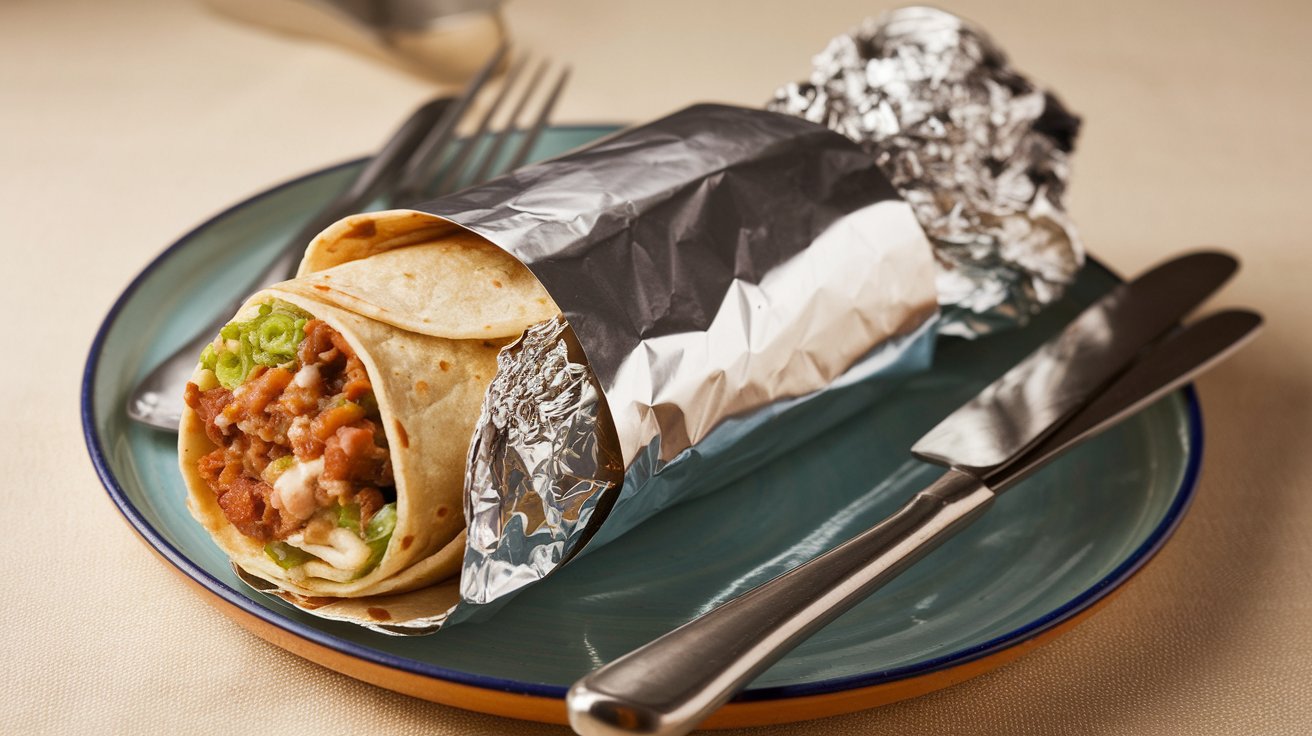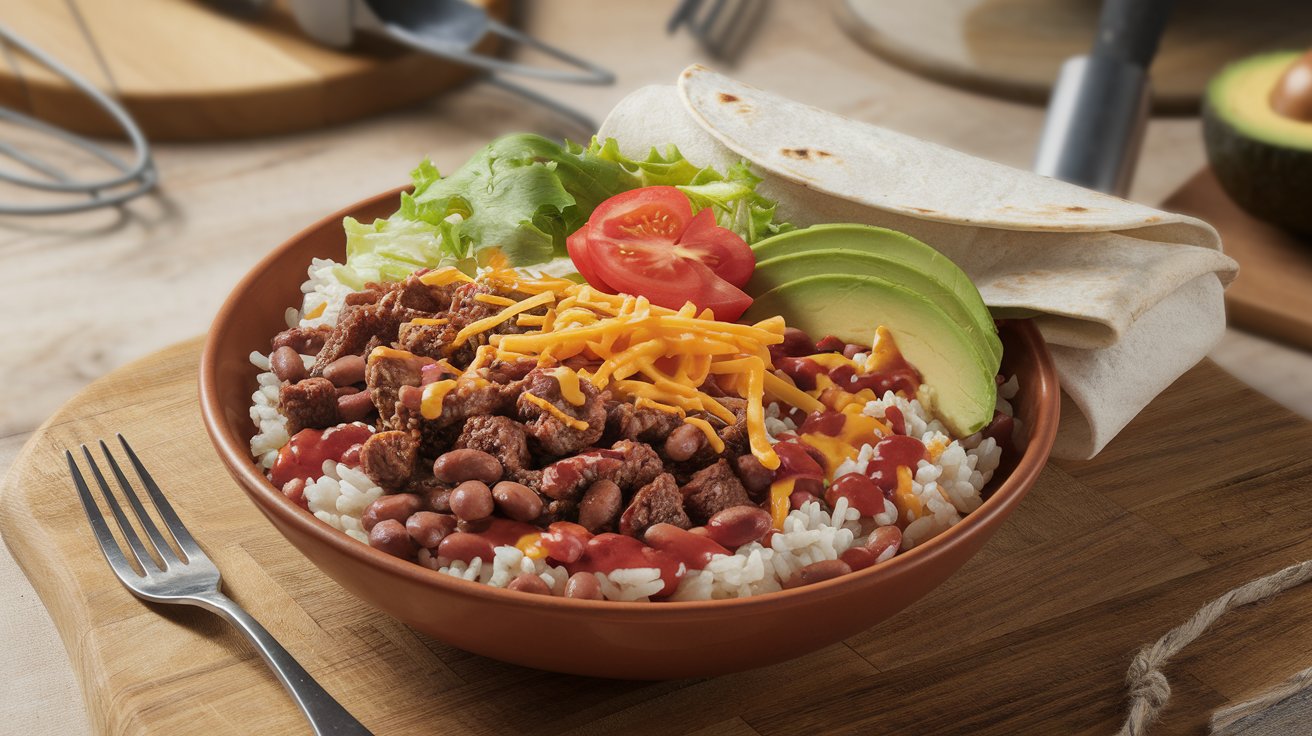
A beef burrito bowl recipe delivers all the flavors of your favorite Mexican restaurant meal in one convenient, customizable dish. This homemade version features perfectly seasoned ground beef, fluffy cilantro-lime rice, black beans, and fresh toppings that rival any Chipotle bowl. Whether you’re planning meal prep for the week or need a quick weeknight dinner, this recipe comes together in just 30 minutes with simple ingredients you likely already have in your kitchen.
What Makes This Beef Burrito Bowl Recipe Special
This beef burrito bowl recipe stands out because it combines restaurant-quality flavors with home-cooking simplicity. Unlike takeout versions that can cost $12-15 per serving in 2026, making your own costs approximately $4-5 per bowl while giving you complete control over ingredients and portion sizes. The seasoned ground beef forms the protein-packed foundation, delivering 25-30 grams of protein per serving when using 93% lean beef.
The beauty of burrito bowls lies in their versatility and nutritional balance. Each bowl provides a complete meal with carbohydrates from rice, protein from beef and beans, healthy fats from avocado, and essential vitamins from fresh vegetables. This Mexican-inspired recipe accommodates various dietary preferences easily—make it low-carb by substituting cauliflower rice, increase fiber with extra beans, or adjust spice levels to suit your family’s taste preferences.
Essential Ingredients for Your Beef Burrito Bowl
Creating an authentic beef burrito bowl requires quality ingredients organized into five main components. Each element contributes distinct flavors and textures that make this dish satisfying and memorable.
Ground Beef and Seasoning Components
For the protein base, you’ll need 1.5 pounds of ground beef, preferably 85-90% lean for optimal flavor and moisture balance. The seasoning blend includes 2 tablespoons chili powder, 1 tablespoon cumin, 1 teaspoon garlic powder, 1 teaspoon onion powder, 1 teaspoon paprika, 1/2 teaspoon oregano, 1/2 teaspoon salt, and 1/4 teaspoon black pepper. This homemade taco seasoning contains no artificial additives and can be adjusted to your preferred spice level. Add 1/4 cup beef broth or water to create a slightly saucy consistency that coats the meat perfectly.
Rice, Beans, and Base Ingredients
The foundation requires 2 cups long-grain white rice or brown rice, cooked according to package directions with added lime juice and fresh cilantro for that signature cilantro-lime rice flavor. You’ll need one 15-ounce can of black beans or pinto beans, drained and rinsed, which can be warmed with cumin and garlic for extra flavor. For a restaurant-style presentation, prepare 2 cups of corn—fresh, frozen, or canned work equally well. Many home cooks in 2026 prefer charring frozen corn in a hot skillet for 4-5 minutes to achieve that slightly smoky, caramelized flavor that elevates the entire bowl.
Fresh Toppings and Finishing Touches
The fresh toppings transform your burrito bowl from good to extraordinary. Essential ingredients include 2 cups shredded romaine lettuce, 1 cup diced tomatoes or halved cherry tomatoes, 1 cup shredded cheese (Mexican blend, cheddar, or Monterey Jack), 1/2 cup sour cream or Greek yogurt, 2 ripe avocados sliced or mashed into guacamole, 1/4 cup fresh cilantro leaves, lime wedges for serving, and your choice of salsa—mild, medium, or hot. According to 2026 meal prep trends, many people prepare these toppings in advance, storing them in separate containers to maintain freshness and crispness throughout the week.
Step-by-Step Cooking Instructions
This easy beef burrito bowl recipe follows a logical sequence that allows multiple components to cook simultaneously, reducing total preparation time to approximately 30 minutes from start to finish.
Preparing the Rice Foundation
Begin by starting your cilantro-lime rice since it requires the longest cooking time. Rinse 2 cups of rice under cold water until the water runs clear, which removes excess starch and prevents mushiness. In a medium saucepan, combine the rinsed rice with 3 cups water or chicken broth and 1/2 teaspoon salt. Bring to a boil over high heat, then reduce to low, cover, and simmer for 18-20 minutes until liquid is absorbed. Remove from heat and let stand covered for 5 minutes. Fluff with a fork and stir in the juice of 2 limes and 1/4 cup chopped fresh cilantro. This restaurant-style rice provides the perfect base that absorbs flavors from toppings while maintaining individual grain separation.
Cooking the Seasoned Ground Beef
While rice cooks, heat a large skillet over medium-high heat and add 1.5 pounds of ground beef. Break apart with a wooden spoon or spatula, cooking for 6-8 minutes until no pink remains and meat develops brown caramelization. Drain excess fat if necessary, leaving about 1 tablespoon for flavor. Add your prepared seasoning blend and 1/4 cup water or beef broth, stirring to coat meat evenly. Simmer for 3-4 minutes until liquid reduces and creates a flavorful coating. The seasoned beef should be moist but not soupy, with spices fully incorporated. For optimal flavor development, allow the meat to sit for 2-3 minutes off heat before assembling bowls, which lets the seasonings bloom and intensify.
Warming Beans and Preparing Toppings
In a small saucepan, combine drained black beans with 1/2 teaspoon cumin, 1/4 teaspoon garlic powder, and 2 tablespoons water. Heat over medium for 4-5 minutes, stirring occasionally until heated through and slightly creamy. If using corn, add it to a hot dry skillet and cook for 4-5 minutes without stirring initially to achieve charred spots, then toss and cook 2 minutes more. While beans and corn warm, prepare your fresh toppings—shred lettuce, dice tomatoes, slice avocados, and portion sour cream and cheese. This assembly-line preparation makes serving multiple bowls efficient and ensures every component reaches the table at optimal temperature.
Building the Perfect Burrito Bowl
The assembly technique significantly impacts both presentation and eating experience. Start with a wide, shallow bowl that provides room for layering without crowding. Begin with 1 cup of cilantro-lime rice as your base, spreading it across the bottom. Add 3/4 cup of seasoned ground beef to one section, then arrange 1/2 cup black beans adjacent to the beef. Place 1/3 cup corn in another section, creating distinct zones of ingredients.
Layer your fresh toppings strategically for visual appeal and functional eating. Add 1/2 cup shredded lettuce, 1/4 cup diced tomatoes, 1/4 cup shredded cheese, and sliced avocado or 2 tablespoons guacamole. Finish with a dollop of sour cream, fresh cilantro leaves, and a lime wedge on the side. This restaurant-style presentation allows diners to mix ingredients according to preference while maintaining ingredient integrity. According to 2026 food service trends, arranged bowls photograph better for social media and create a more satisfying dining experience than randomly mixed ingredients.
Ingredient Variations and Substitutions
This customizable beef burrito bowl recipe adapts easily to dietary requirements, ingredient availability, and personal preferences without sacrificing flavor or satisfaction.
Protein Alternatives and Modifications
While ground beef provides classic flavor, several protein options work excellently in burrito bowls. Ground turkey or chicken offers a leaner alternative with 30% fewer calories and less saturated fat, though you may need to add 1 tablespoon olive oil during cooking to prevent dryness. For a Chipotle-style experience, substitute with grilled chicken thighs marinated in lime juice, garlic, and chipotle peppers, then diced into bite-sized pieces. Plant-based eaters can use seasoned black beans, pinto beans, or commercial meat alternatives like Beyond Beef or Impossible Meat, which require the same seasoning and cooking method as traditional beef. In 2026, crumbled extra-firm tofu seasoned with the same spice blend has gained popularity as a high-protein, allergen-friendly option.
Rice and Grain Alternatives
For low-carb or keto-friendly versions, replace traditional rice with cauliflower rice, which reduces carbohydrates from 45g to just 5g per serving while maintaining the bowl structure. Simply sauté riced cauliflower in a skillet with olive oil for 5-7 minutes, then season with lime juice and cilantro. Quinoa makes an excellent protein-rich alternative with 8 grams of protein per cup and all nine essential amino acids. Brown rice provides more fiber and nutrients than white rice, though it requires longer cooking time. For a Mexican-inspired twist, try Spanish rice seasoned with tomato sauce and spices, or cilantro-lime quinoa for a nutritional upgrade. Farro and barley offer chewy textures and nutty flavors that complement the seasoned beef beautifully.
Topping Customizations
Personalize your burrito bowl with diverse toppings that cater to different tastes and dietary needs. Replace sour cream with Greek yogurt for added protein and probiotics, or use cashew cream for a dairy-free alternative. Swap regular cheese for cotija or queso fresco for authentic Mexican flavors, or omit cheese entirely for dairy-free bowls. Add pickled jalapeños, pickled red onions, or hot sauce for extra heat and tanginess. Fresh pico de gallo or mango salsa adds brightness, while roasted poblano peppers contribute smoky depth. For healthy burrito bowl recipes, increase vegetables with roasted bell peppers, zucchini, or sweet potato cubes. Crushed tortilla chips provide satisfying crunch, while a drizzle of chipotle mayo or avocado crema adds creamy richness.
Meal Prep Strategy for Burrito Bowls
Preparing beef burrito bowls for meal prep saves time and money while ensuring healthy meals throughout the week. This strategy has become increasingly popular in 2026 as more Americans prioritize efficient home cooking. The key to successful meal prep lies in proper storage techniques and understanding which components maintain quality when refrigerated.
Cook all components on your designated meal prep day, typically Sunday for most people. Prepare a double or triple batch of seasoned ground beef, cooking 3-4.5 pounds at once, which takes minimal additional time. Rice can be cooked in large quantities and refrigerates well for 5-6 days when stored in airtight containers. Portion cooked rice, beef, and beans into individual meal prep containers, allocating approximately 1 cup rice, 3/4 cup beef, and 1/2 cup beans per container.
Store wet ingredients and fresh toppings separately to maintain texture and prevent sogginess. Keep lettuce, tomatoes, avocado, sour cream, and cheese in separate small containers, assembling only when ready to eat. This method preserves ingredient integrity and allows customization throughout the week. Cooked components reheat excellently in the microwave for 2-3 minutes on high power, while room-temperature toppings can be added immediately after heating. According to 2026 food safety guidelines, prepared bowls remain safe for consumption for 4-5 days when stored at 40°F or below.
Expert Recipe Tips for Restaurant-Quality Results
Professional techniques elevate your homemade beef burrito bowl from basic to exceptional. First, always drain ground beef after browning but before adding seasonings—this prevents dilution of spices while removing excess grease that can make bowls heavy. Toast your spice blend in the empty hot pan for 30 seconds before adding liquid, which activates essential oils and deepens flavors significantly.
Use fresh lime juice rather than bottled for maximum brightness and authentic flavor—one lime typically yields 2 tablespoons of juice. When making cilantro-lime rice, add lime juice after cooking rather than during, as cooking can make citrus taste bitter. For the most flavorful beef, let it develop a dark brown crust before breaking it apart completely, creating varied textures with some crispy bits and some tender pieces.
Temperature matters significantly in burrito bowl assembly. Serve hot components hot and cold components cold—this contrast creates sensory appeal. If meal prepping, slightly undercook rice by 2 minutes since reheating continues the cooking process. For optimal avocado preparation, slice just before serving and toss with lime juice to prevent browning. Store cut avocados with the pit in place and plastic wrap pressed directly against the flesh. Finally, don’t skimp on salt—beans, rice, and vegetables all benefit from proper seasoning at each cooking stage rather than trying to adjust saltiness at the end.
Nutritional Information and Health Benefits
A typical beef burrito bowl prepared according to this recipe provides approximately 650-750 calories per serving, depending on topping portions. This complete meal delivers 35-40 grams of protein from the combination of ground beef, beans, and cheese, supporting muscle maintenance and satiety. The rice contributes 45-50 grams of carbohydrates for energy, while avocado and cheese provide 25-30 grams of healthy fats essential for nutrient absorption and hormone production.
This balanced meal offers significant nutritional advantages over typical fast food options. Black beans contribute 12-15 grams of dietary fiber per serving, supporting digestive health and blood sugar regulation. Tomatoes, lettuce, and cilantro provide vitamins A, C, and K along with antioxidants like lycopene. Using 90% lean ground beef keeps saturated fat content moderate at 8-10 grams per serving. According to 2026 USDA dietary guidelines, this bowl meets approximately one-third of daily protein needs and provides substantial portions of several essential nutrients.
For those tracking macros or following specific diets, this recipe adapts easily. A low-carb version using cauliflower rice reduces total carbohydrates to approximately 25-30 grams while maintaining protein and healthy fats. Increasing vegetables and reducing rice creates a lower-calorie option at 450-500 calories. Using ground turkey instead of beef reduces saturated fat by 40% while keeping protein high. The customizable nature makes this healthy burrito bowl recipe suitable for various eating patterns including Mediterranean, balanced macro, and whole food approaches.
Common Mistakes to Avoid
Several frequent errors can diminish your beef burrito bowl experience. The most common mistake involves overcooking ground beef until it becomes dry and crumbly. Cook beef to just barely done—about 160°F internal temperature—and remember it continues cooking slightly after removing from heat. Overcooked beef loses moisture and becomes tough, ruining the bowl’s texture.
Another significant error is under-seasoning individual components. Each element—rice, beans, beef, and even vegetables—should be properly seasoned during preparation rather than relying solely on toppings for flavor. This creates depth and complexity throughout the bowl. Many home cooks also make the mistake of adding all wet ingredients together during meal prep, which results in soggy, unappetizing bowls. Always store fresh toppings separately and assemble just before eating.
Skipping the lime juice in rice represents a missed opportunity for authentic flavor—this simple addition transforms plain rice into restaurant-quality cilantro-lime rice. Using pre-shredded cheese rather than shredding your own results in less melty, less flavorful results due to anti-caking additives. Finally, many people add too much rice and not enough protein and vegetables, creating an unbalanced bowl that’s carb-heavy and less satisfying. The ideal ratio maintains approximately 40% rice, 30% protein, and 30% vegetables and toppings for optimal nutrition and satisfaction.
Serving Suggestions and Pairings
While a beef burrito bowl serves as a complete meal on its own, certain accompaniments enhance the dining experience for family gatherings or entertaining. Serve warm tortilla chips on the side with fresh guacamole or queso dip for textural contrast and interactive eating. Homemade tortilla chips—simply cut corn tortillas into wedges and bake at 350°F for 12-15 minutes—taste superior to store-bought and contain less sodium.
Complement your Mexican-inspired meal with beverages that balance the rich, savory flavors. Traditional agua frescas like watermelon, cucumber-lime, or hibiscus provide refreshing sweetness without overwhelming the palate. For adults, a light Mexican beer such as Corona or Modelo, or a simple margarita with fresh lime juice enhances the dining experience. Iced horchata offers a creamy, sweet counterpoint to spicy elements.
If serving burrito bowls for a gathering, create a DIY burrito bowl bar where guests customize their own bowls. This approach accommodates various dietary preferences and portion sizes while minimizing host stress. Set up stations with rice and proteins first, followed by beans and vegetables, then finishing with cold toppings and sauces. According to 2026 entertaining trends, this interactive style has become one of the most popular casual dinner party formats, allowing hosts to prepare components in advance while giving guests creative control over their meals.
Storage and Leftover Ideas
Properly stored burrito bowl components remain fresh and delicious for several days, making this recipe ideal for batch cooking. Cooked seasoned ground beef stays fresh in an airtight container for 4-5 days in the refrigerator or up to 3 months in the freezer. When freezing, portion into serving sizes using freezer bags with air removed, labeling with date and contents. Cooked rice refrigerates well for 5-6 days and can be frozen for up to 6 months, though texture may become slightly drier upon thawing.
Black beans and corn maintain quality for 5 days refrigerated in sealed containers. For fresh toppings, shredded cheese lasts 5-7 days, while lettuce stays crisp for 3-4 days when stored in a paper towel-lined container to absorb excess moisture. Sliced avocado browns quickly but can be preserved for 24 hours by coating with lime juice and pressing plastic wrap directly against the surface. Sour cream and salsa remain fresh in their original containers for 7-10 days after opening.
Transform leftovers into creative new meals rather than eating identical bowls repeatedly. Use leftover seasoned beef to fill tacos, quesadillas, or burritos. Combine rice, beans, and beef in a casserole dish, top with cheese, and bake at 350°F for 20 minutes for a burrito bake. Mix components into a taco salad with crushed tortilla chips. Stuff leftover ingredients into bell peppers and bake for stuffed peppers. These leftover transformation ideas prevent food waste while providing variety throughout the week, a key strategy in sustainable home cooking practices emphasized in 2026 food trends.
Related video about beef burrito bowl recipe
This video complements the article information with a practical visual demonstration.
Your questions answered
Can I make beef burrito bowls ahead of time for meal prep?
Yes, beef burrito bowls are excellent for meal prep when stored properly. Cook the ground beef, rice, and beans in large batches, then portion into individual containers. These components stay fresh refrigerated for 4-5 days. However, store fresh toppings like lettuce, tomatoes, avocado, cheese, and sour cream separately in small containers to maintain texture and prevent sogginess. When ready to eat, reheat the rice, beef, and beans for 2-3 minutes in the microwave, then add cold toppings. This meal prep strategy saves significant time during busy weeknights while ensuring restaurant-quality results throughout the week.
What’s the best way to season ground beef for burrito bowls?
The best ground beef seasoning combines 2 tablespoons chili powder, 1 tablespoon cumin, 1 teaspoon each of garlic powder, onion powder, and paprika, 1/2 teaspoon oregano, plus salt and pepper to taste. Brown the beef first, drain excess fat, then add the spice blend with 1/4 cup water or beef broth. Simmer for 3-4 minutes until liquid reduces and creates a flavorful coating. For enhanced flavor, toast the dry spices in the hot pan for 30 seconds before adding liquid, which activates essential oils. This homemade taco seasoning contains no artificial additives and can be adjusted to your preferred spice level, creating more authentic flavor than store-bought packets.
How do I make my burrito bowl healthier without sacrificing flavor?
Make your burrito bowl healthier by substituting cauliflower rice for regular rice, reducing carbohydrates from 45g to 5g per serving. Use 93% lean ground beef or ground turkey to lower saturated fat by 40% while maintaining protein content. Replace sour cream with plain Greek yogurt for added protein and probiotics. Increase vegetables by adding roasted bell peppers, zucchini, or extra lettuce and tomatoes, which add volume and nutrients with minimal calories. Use half the cheese or choose a stronger-flavored variety like cotija so less delivers more taste. These healthy substitutions can reduce total calories from 750 to approximately 450-500 while increasing fiber, vitamins, and minerals without compromising satisfaction or flavor.
What toppings are essential for an authentic burrito bowl?
Essential burrito bowl toppings include cilantro-lime rice as the base, seasoned protein (ground beef, chicken, or plant-based), black or pinto beans, corn (preferably charred), shredded lettuce, diced tomatoes or pico de gallo, shredded cheese, sour cream or Greek yogurt, fresh avocado or guacamole, fresh cilantro leaves, and lime wedges. Salsa—whether mild, medium, or hot—adds crucial flavor and moisture. For Chipotle-style authenticity, include both a creamy element (sour cream or guacamole) and an acidic element (salsa or lime juice). The combination of hot and cold components, creamy and crunchy textures, and fresh and cooked ingredients creates the signature burrito bowl experience that Americans have embraced since 2026.
Can I freeze assembled burrito bowls?
While you can freeze individual components successfully, freezing fully assembled burrito bowls is not recommended as fresh ingredients like lettuce, tomatoes, avocado, and sour cream don’t freeze well and become watery and unappetizing when thawed. Instead, freeze cooked components separately—seasoned ground beef freezes excellently for up to 3 months, cooked rice for up to 6 months, and beans for 3-4 months. Portion these into individual serving sizes in freezer bags or containers. When ready to eat, thaw overnight in the refrigerator or use the microwave defrost function, reheat thoroughly, then add fresh toppings. This freezer meal strategy provides convenience while maintaining the quality and texture that makes burrito bowls satisfying and delicious.
How much does it cost to make beef burrito bowls at home versus buying them?
Homemade beef burrito bowls cost approximately $4-5 per serving when using standard grocery store ingredients in 2026, while restaurant versions like Chipotle charge $12-15 per bowl. For a family of four, homemade bowls cost around $16-20 total compared to $48-60 for takeout, representing savings of $28-40 per meal. The cost breakdown includes ground beef ($8-10 for 1.5 pounds), rice ($1), beans ($1.50), produce ($4-5), and toppings ($3-4), yielding 4-5 generous servings. Buying ingredients in bulk and meal prepping multiple bowls increases savings further. This 60-70% cost reduction makes burrito bowls one of the most economical restaurant-style meals to prepare at home, especially for families cooking regularly.
| Key Aspect | Important Details | Benefit |
|---|---|---|
| Preparation Time | 30 minutes total cooking time with simultaneous component preparation | Quick weeknight dinner solution for busy families |
| Meal Prep Capability | Components stay fresh 4-5 days refrigerated when stored separately | Save time and money with batch cooking strategy |
| Nutritional Balance | 35-40g protein, 45-50g carbs, 25-30g healthy fats per serving | Complete, satisfying meal supporting various dietary goals |
| Cost Efficiency | $4-5 per serving versus $12-15 for restaurant versions | 60-70% savings compared to takeout options |
| Customization Options | Adaptable for low-carb, high-protein, vegetarian, and dairy-free diets | Accommodates family preferences and dietary restrictions |
| Ingredient Flexibility | Multiple protein, grain, and topping alternatives available | Use ingredients on hand and prevent recipe boredom |